The cards as a reflective language
Tarot,
without the fog.
Seventy-eight images hold a long conversation about change, desire, conflict, work, loss, and renewal. The cards do not remove uncertainty. They give it form, so you can look more closely.
Begin with your purpose
Three ways to meet the deck.
For daily clarity
Draw one card
Use a single image to focus attention without turning the day into a prediction.
↗02For careful study
Learn the deck
Read upright and reversed meanings alongside imagery, correspondences, and journal prompts.
↗03For a live question
Choose a spread
Give each card a clear role so the reading stays coherent, useful, and grounded.
↗The Major Arcana
Large patterns. Defining thresholds.
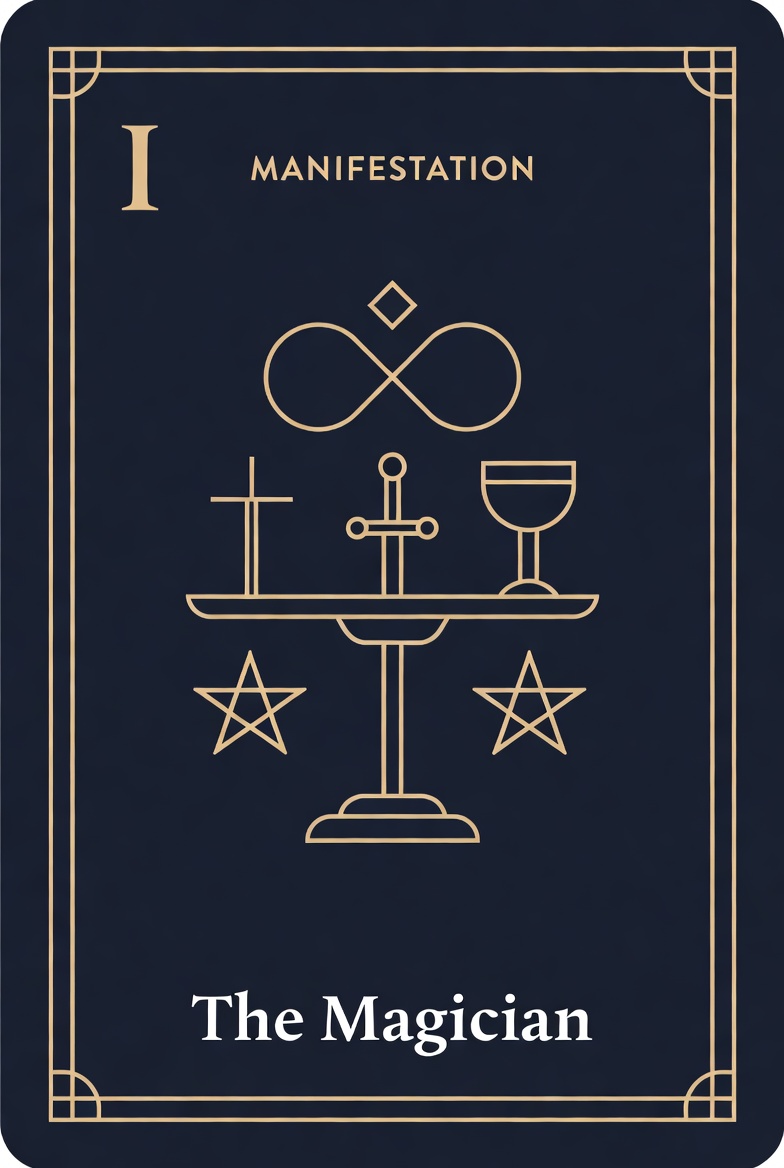
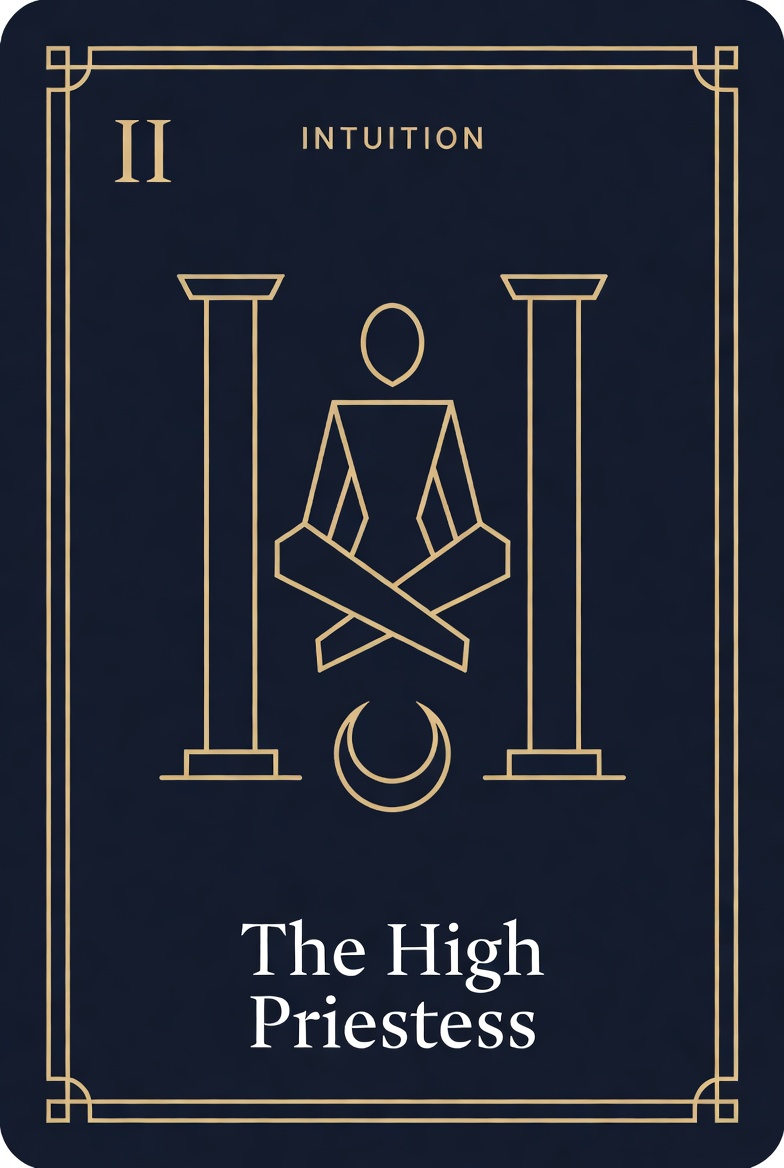
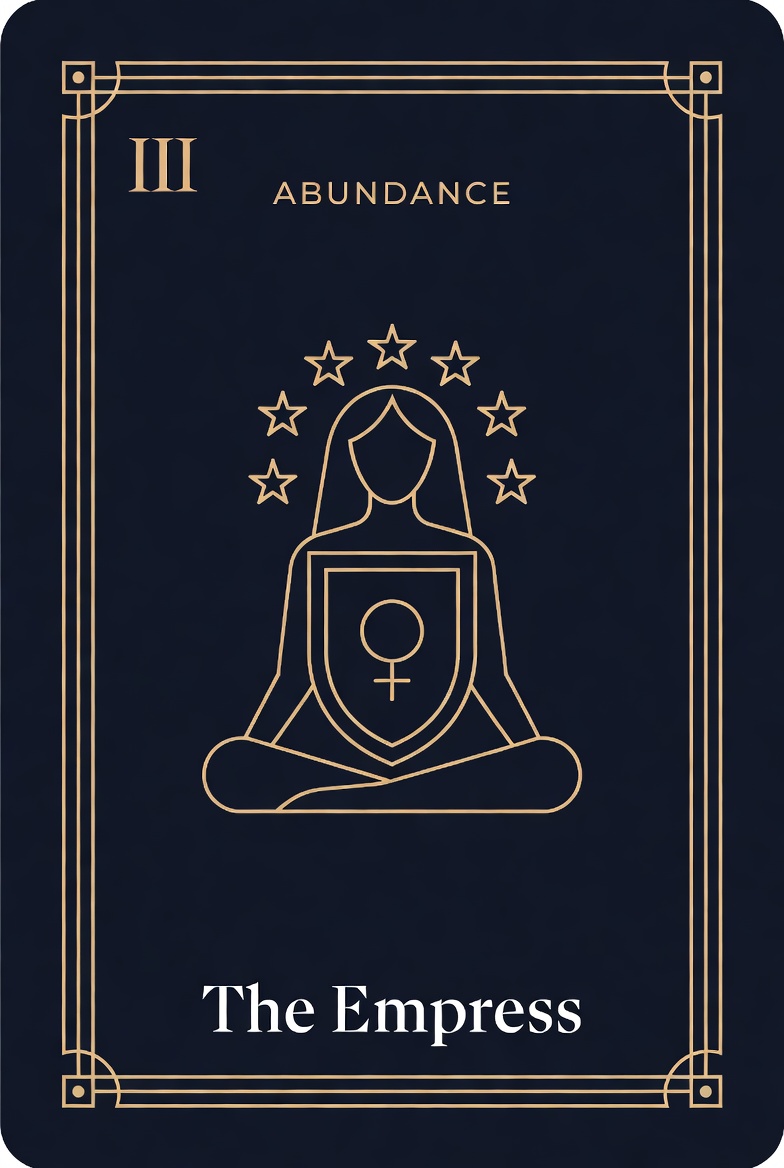
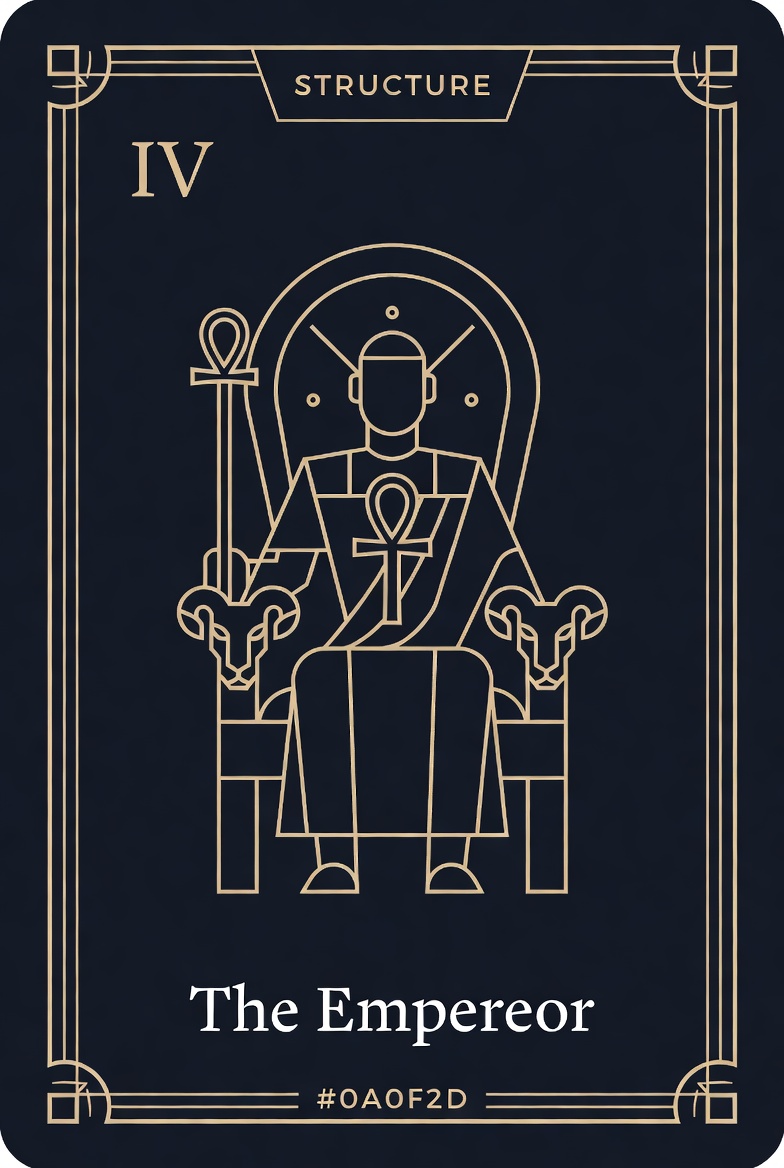
The Major Arcana describes the turns that reorganise a life: beginnings, tests, choices, reckonings, endings, and return.
22 Major Arcana complete · 78 of 78 cards reviewed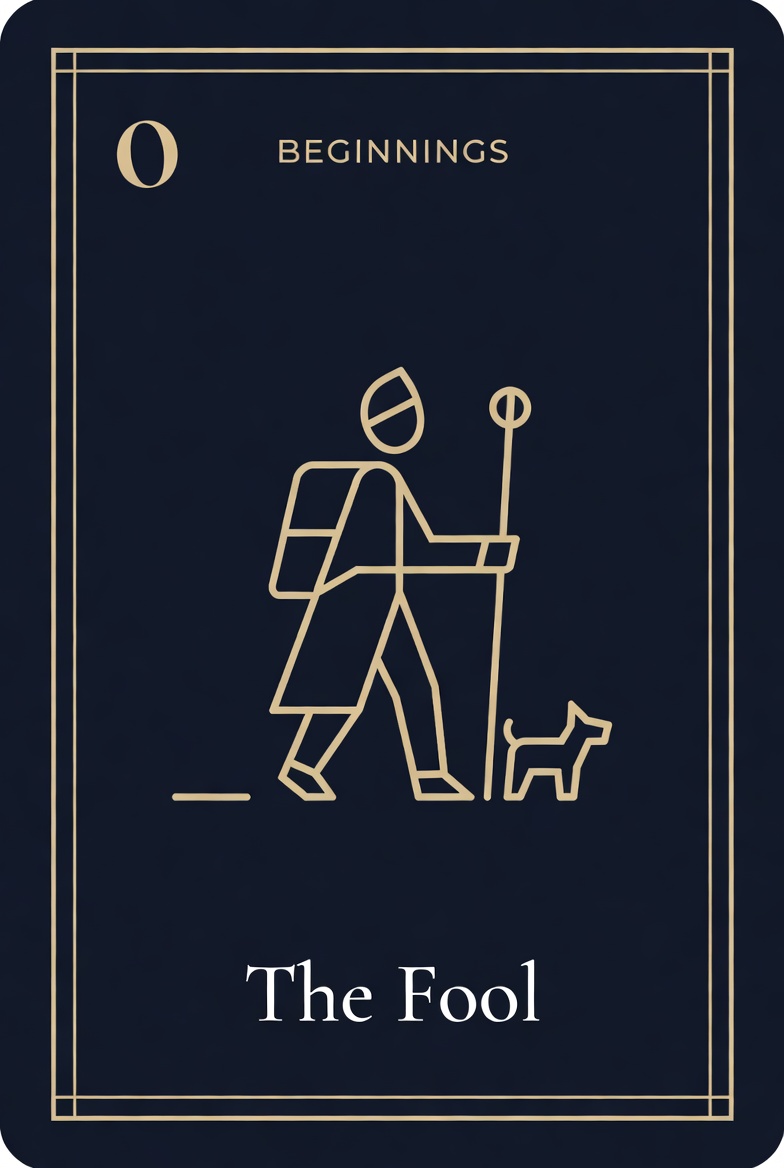
Minor Arcana · Complete suit
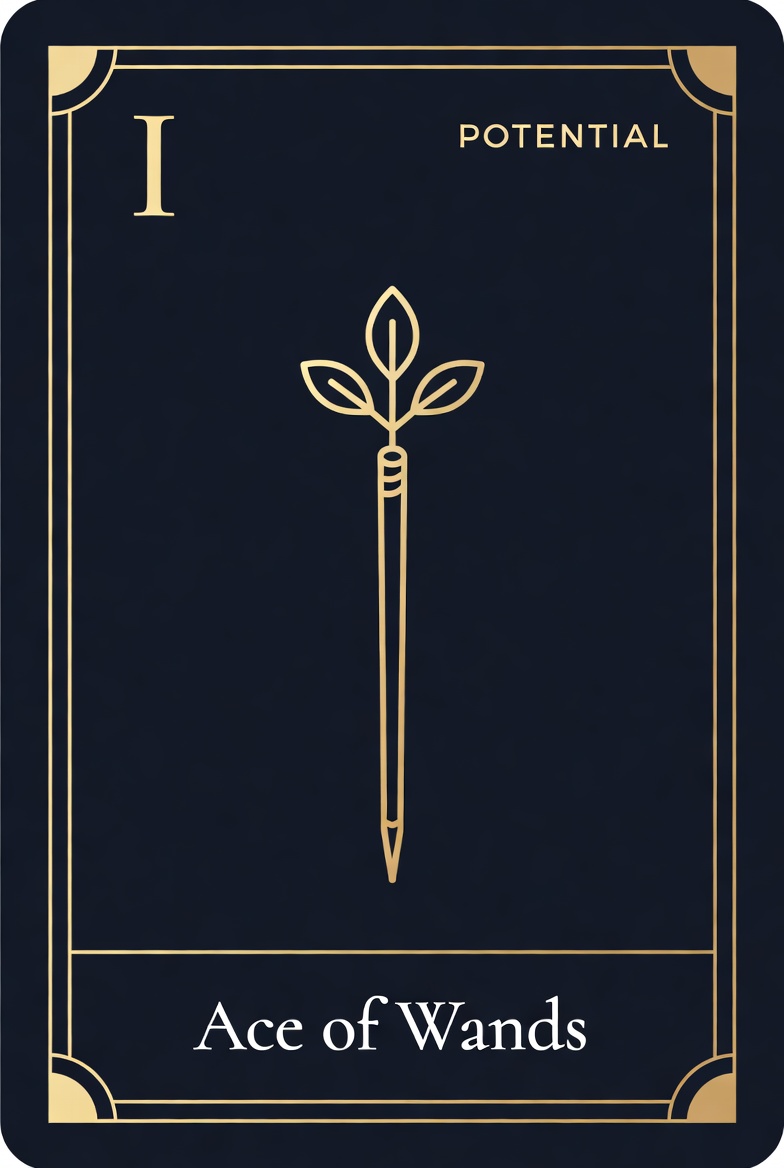
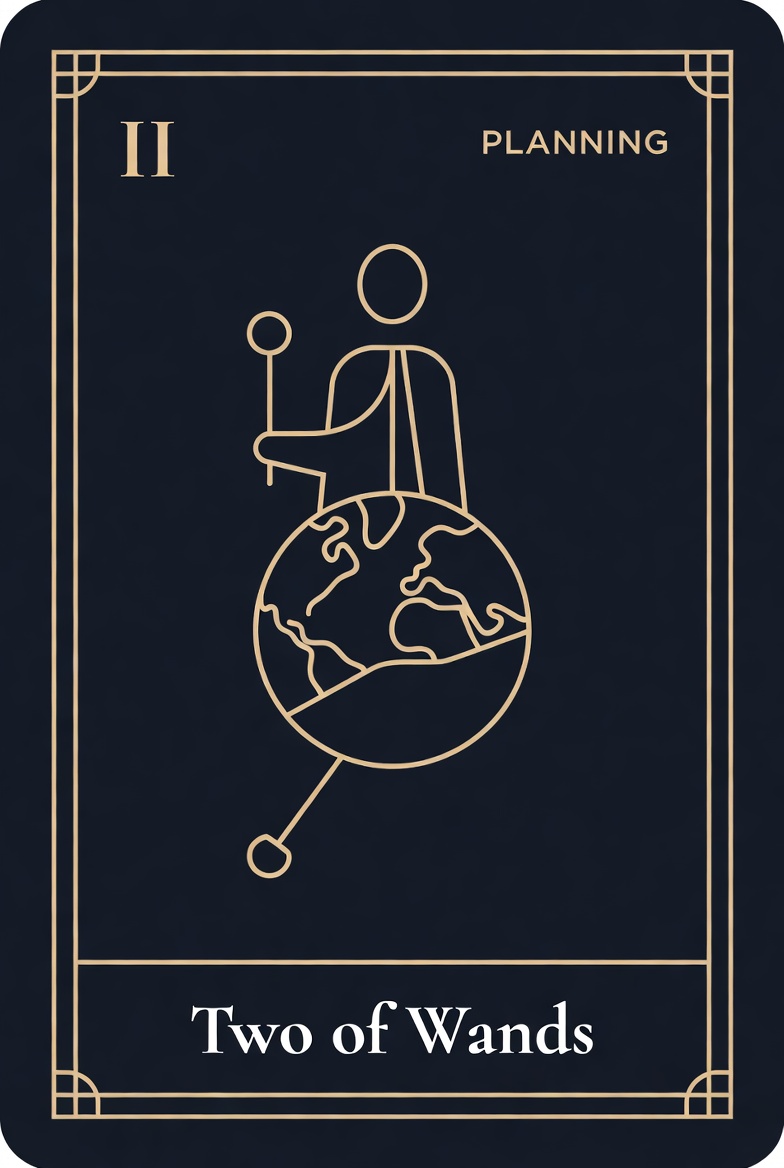
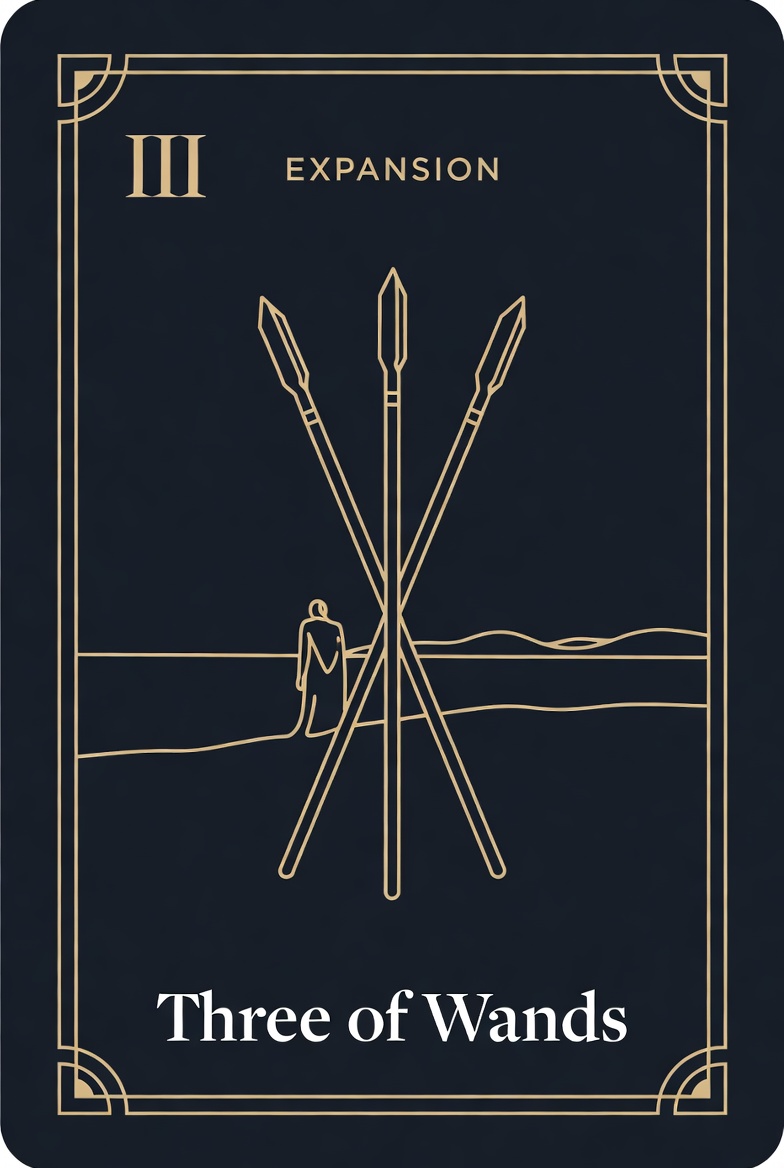
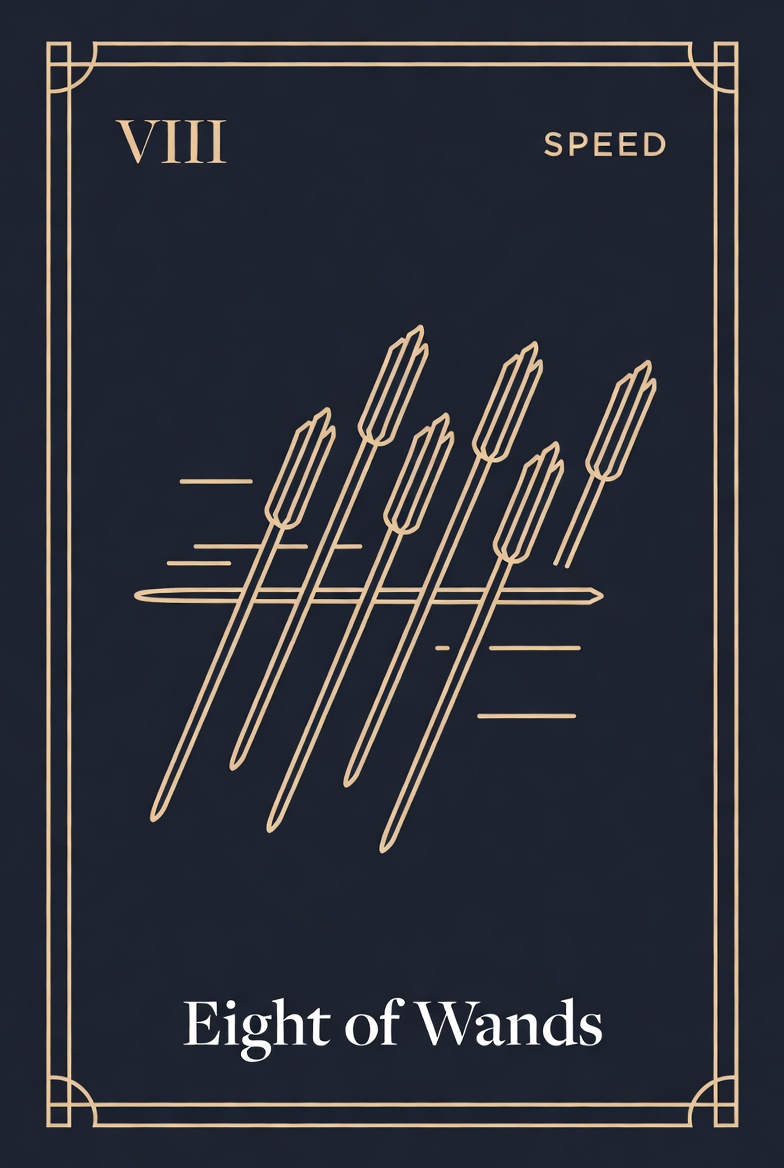
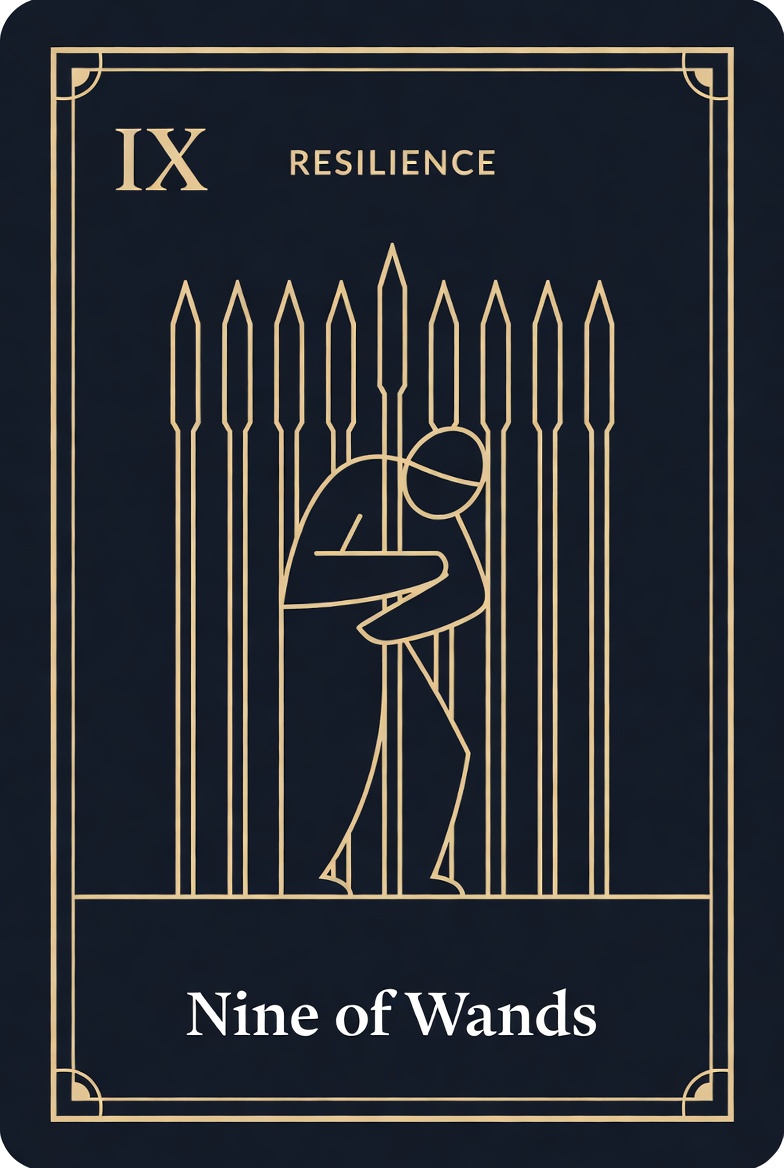
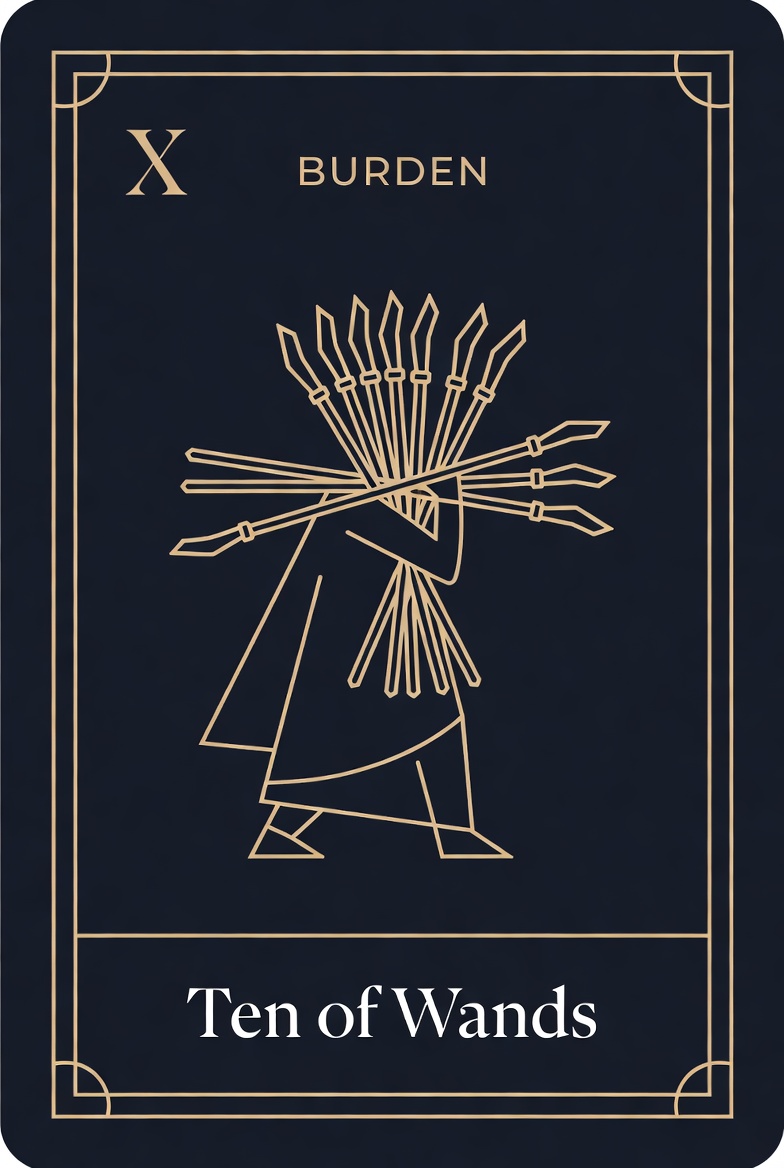
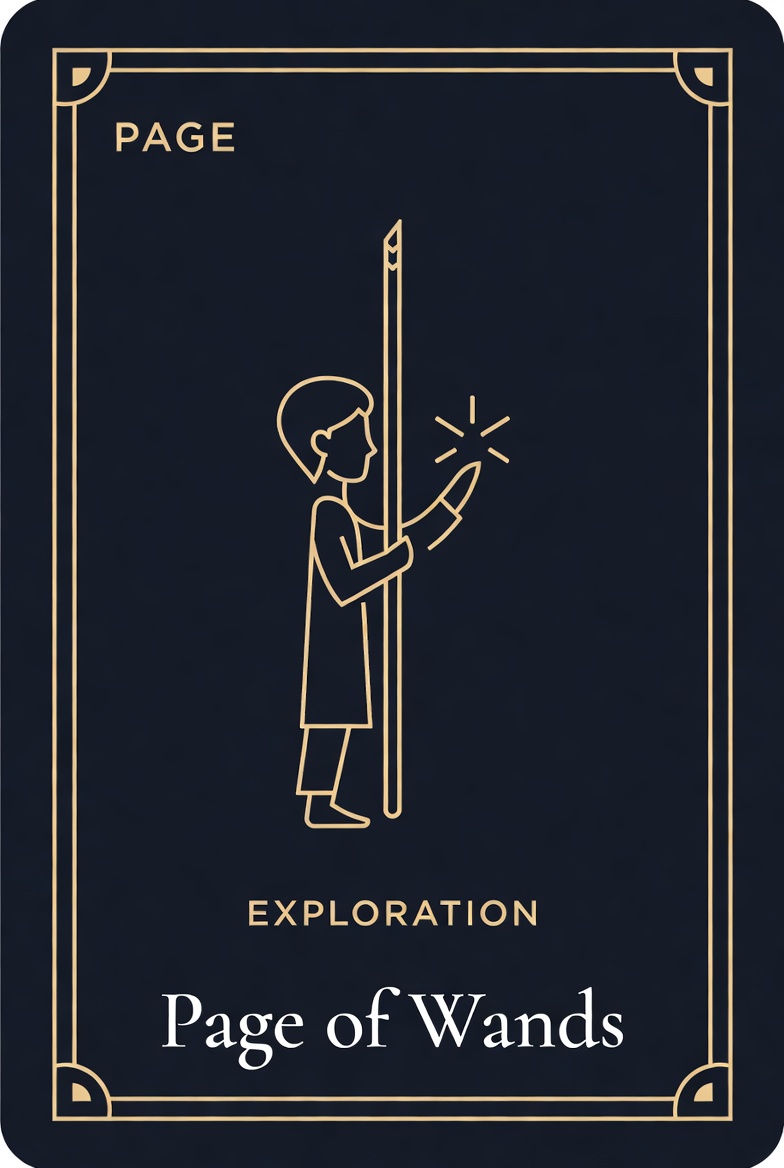
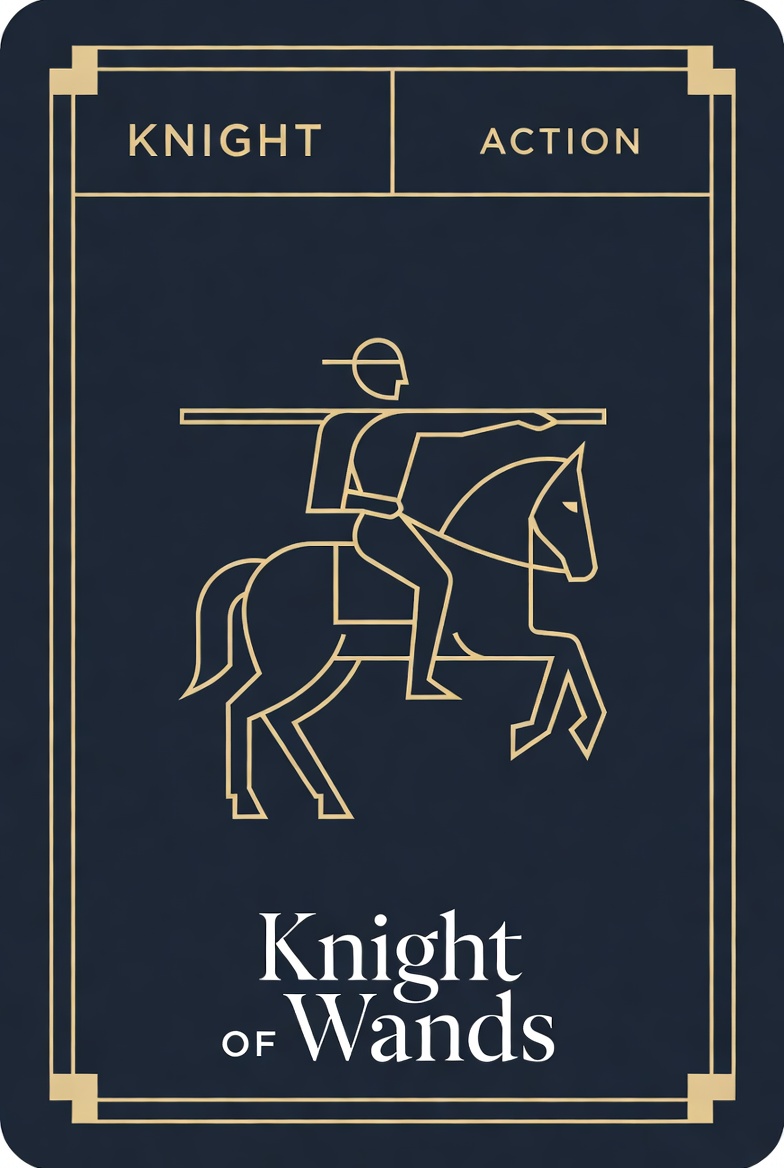
Wands: how fire learns direction.
Fourteen cards tracing inspiration through effort, conflict, stamina, and mature command of creative energy.
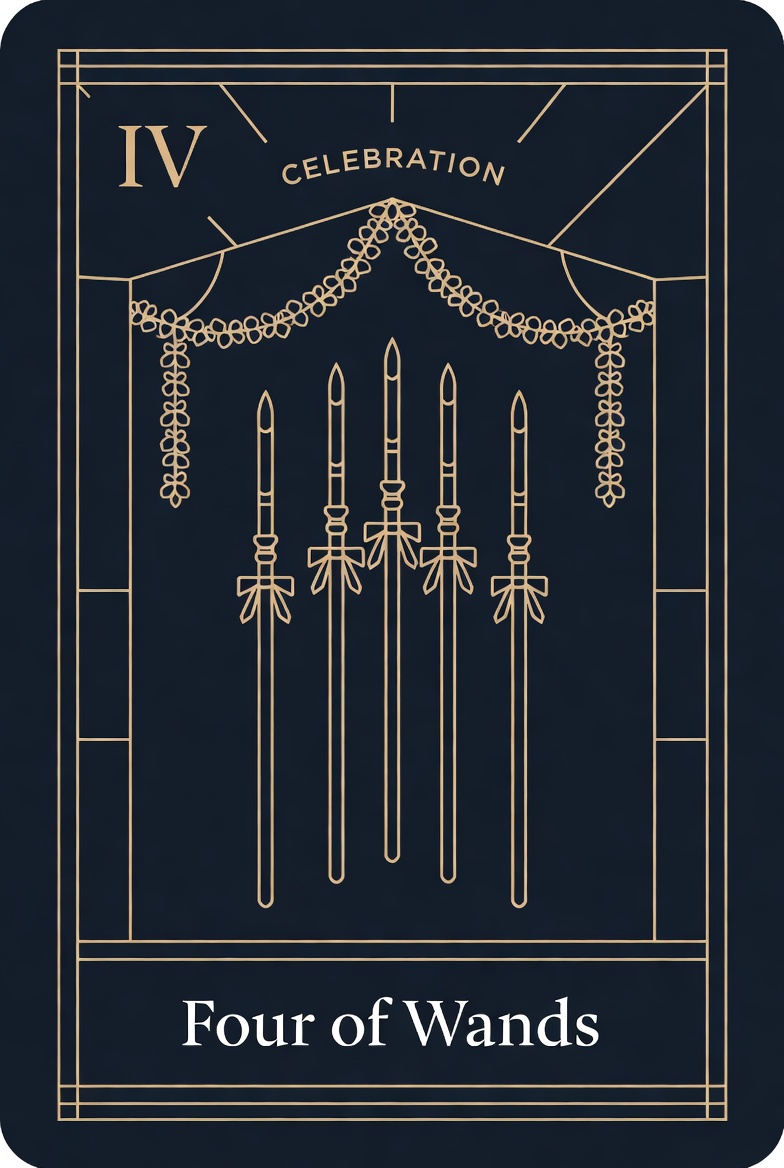
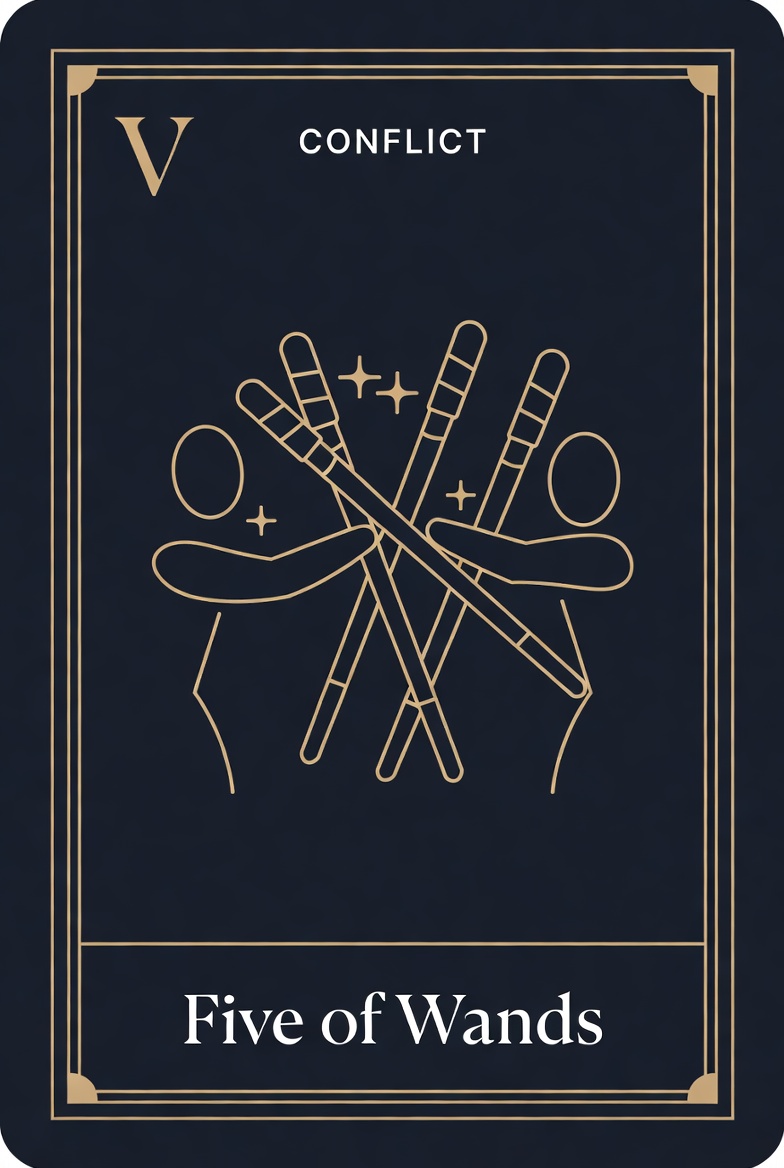
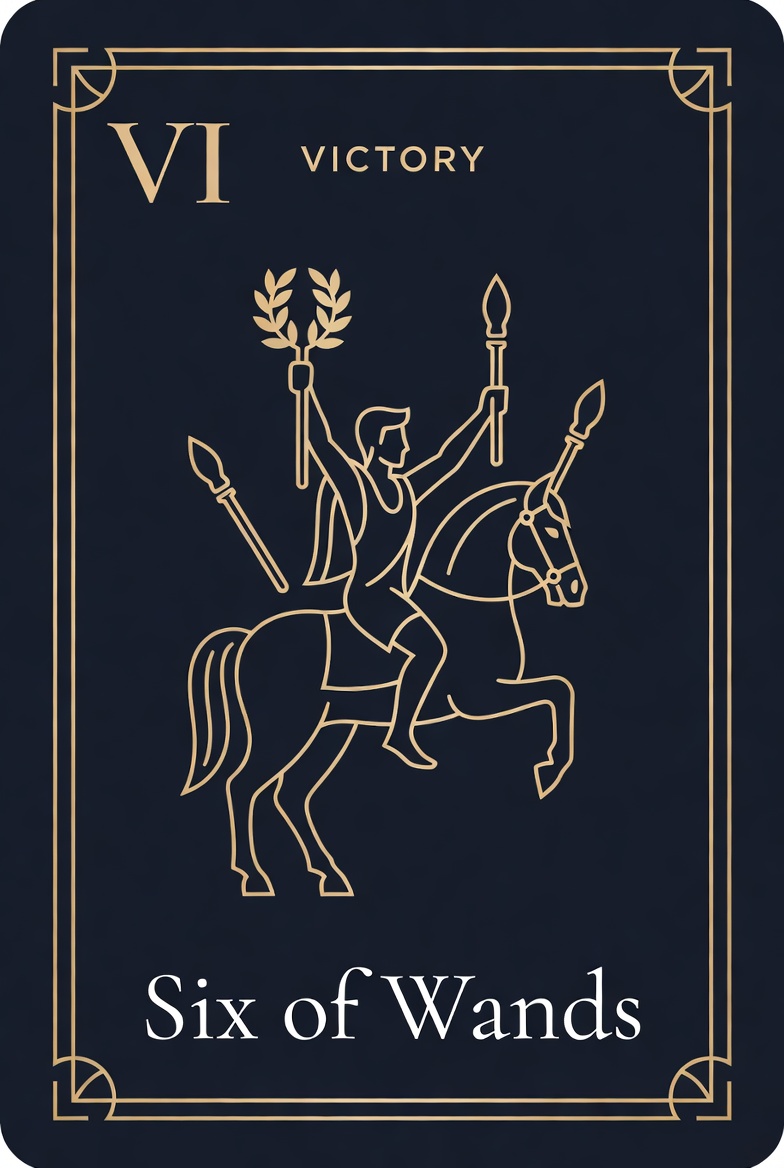
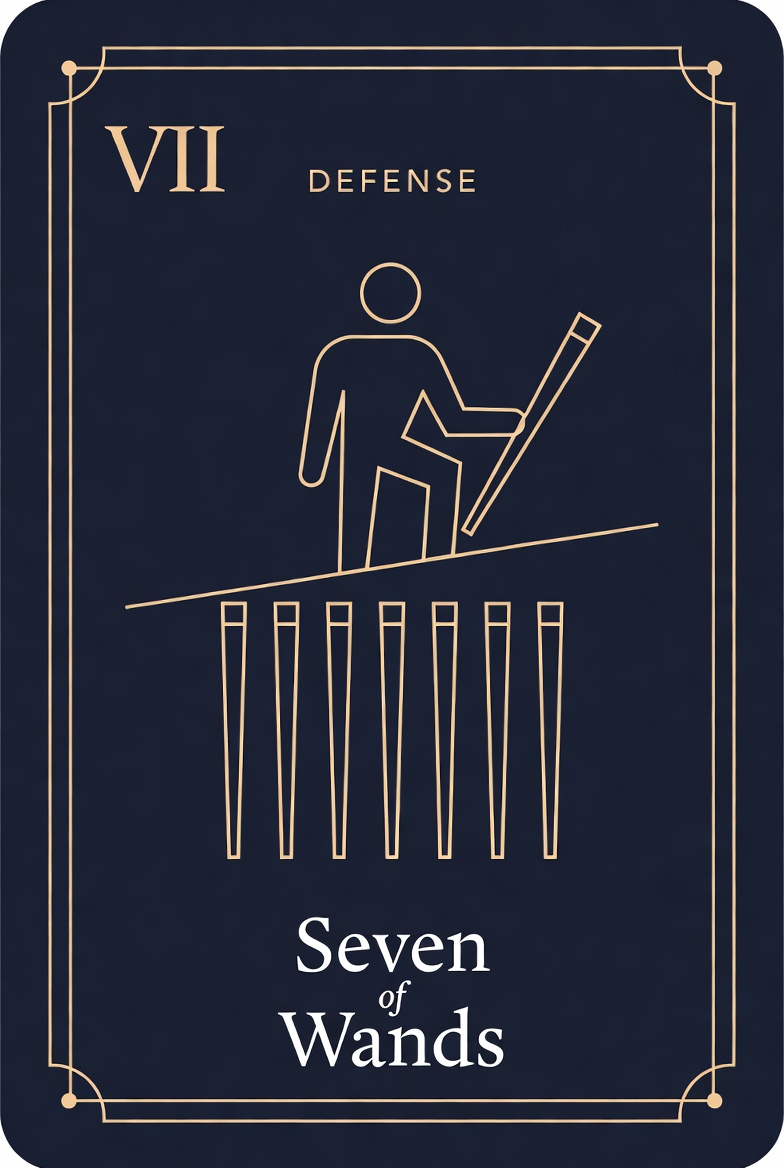
Minor Arcana · Complete suit
Cups: the intelligence of feeling.
Fourteen cards concerned with attachment, intuition, pleasure, grief, reciprocity, and emotional maturity.
Minor Arcana · Complete suit
Swords: the mind meeting consequence.
Fourteen cards following thought through truth, conflict, strategy, anxiety, discernment, and clear decision.
Minor Arcana · Complete suit
Pentacles: what becomes tangible.
Fourteen cards grounding the deck in work, resources, the body, stewardship, and material reality.
A reading in three movements
Look first. Name second. Apply last.
- 01
Observe
Notice colour, posture, direction, repetition, and your immediate response before consulting a meaning.
- 02
Interpret
Place the card inside its position, orientation, neighbouring cards, and the question you actually asked.
- 03
Integrate
End with one useful sentence, one further question, or one action small enough to complete.